Part of the 90 Leads resource library. This article reflects guidance as of October 2026.
“No cooling” is a clear customer problem. It is not automatically a profitable advertising strategy.
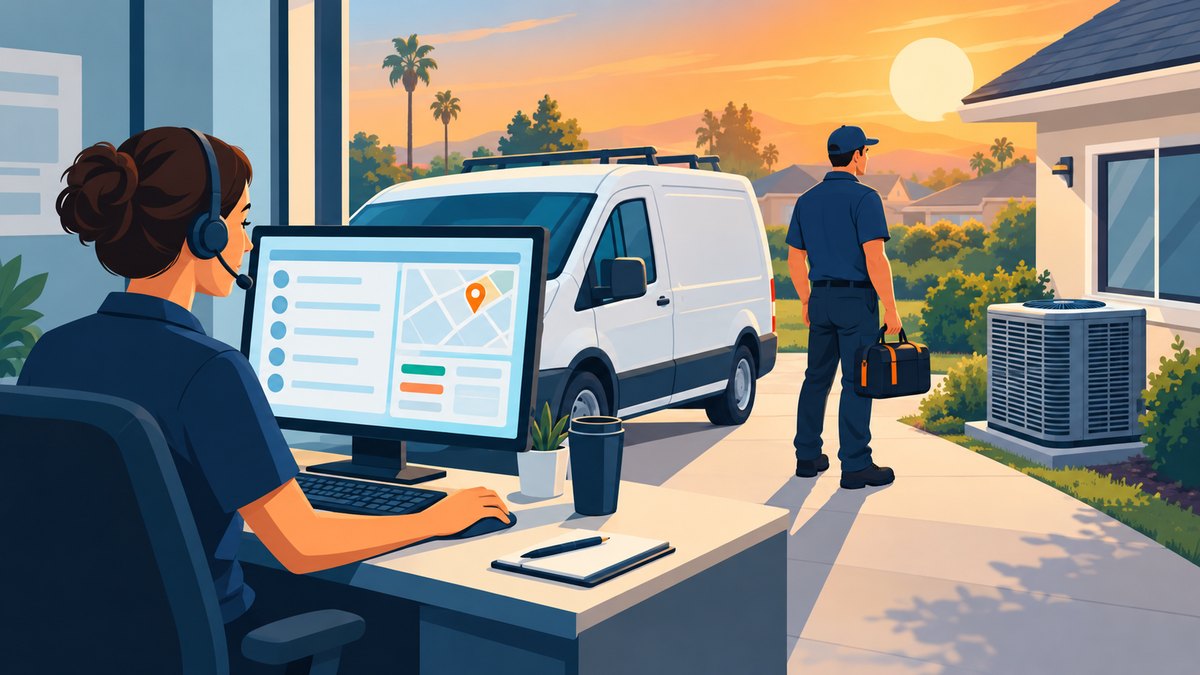
Before increasing emergency campaign spending, ask a less exciting question: Who will answer the call, and who can take the appointment?
A busy phone can look like marketing success while creating a frustrated office, an overloaded schedule, and customers you cannot serve.
Emergency advertising works best when the promise and the dispatch capacity match.
Separate phone availability from technician availability
“24-hour answering” is not the same as “24-hour technician dispatch.”
If an answering service takes overnight requests but your first available appointment is the following day, say that clearly. Do not advertise guaranteed arrival times or same-night repairs that your business cannot reliably deliver.
Google’s advertising policies prohibit misleading claims and unavailable offers. Your emergency-service language should describe the service customers can actually receive.
Clear expectations are not weak marketing. They help prevent the wrong inquiry from becoming an angry customer.
Decide what an emergency campaign can book
Before launching, define:
- The geographic area covered.
- The equipment and property types accepted.
- The hours when technicians are available.
- How diagnostic charges are explained.
- What happens when all appointment slots are filled.
A diagnostic visit is an appointment to investigate the problem. It is not a promise that every system will be repaired during that visit.
Your landing page and intake team should use the same distinction.
Avoid making the dispatcher translate a broad advertising promise into a much narrower reality.
Keep repair intent separate from replacement intent
A homeowner searching for urgent AC repair may not be ready for a replacement consultation.
A customer researching a new system may need time to compare equipment, installation scope, and financing options.
Give those inquiries different paths.
For example:
- A repair page can emphasize how to request a diagnostic appointment.
- A replacement page can explain the consultation and estimate process.
- A maintenance page can describe preventive service without implying emergency availability.
You do not need to diagnose the system in the advertisement. You need to direct the customer to the appropriate next step.
Watch the searches behind the clicks
Review actual search terms rather than judging the campaign by clicks alone.
Job seekers, training searches, wholesale equipment inquiries, and DIY research may be irrelevant to a residential repair campaign. But do not apply a generic exclusion list without checking what your business offers.
Google’s negative-keyword tools can help exclude unwanted searches; the exclusions should reflect your actual campaign purpose.
Geography deserves the same attention. Google Ads’ “Presence” option is narrower than “Presence or Interest,” but location targeting is not a perfect geofence. Continue checking the locations of actual inquiries.
Measure the office handoff
For each inquiry, record whether it was:
- Answered.
- Within your territory.
- For an accepted service.
- Booked.
- Completed.
- Lost because no appointment was available.
That last category is especially useful.
If qualified customers cannot be scheduled, more advertising may not solve the problem. The next improvement might be call handling, appointment allocation, or a more honest availability message.
Make the next step easy
A useful emergency landing page should answer three questions quickly:
- What service can I request?
- Where and when is it available?
- What happens after I call?
Keep the language direct. Explain charges and limitations where appropriate. Avoid turning an urgent-service page into a long equipment brochure.
The best emergency campaign is not the one that produces the most ringing phones. It is the one your office and field team can fulfill.
Before expanding your campaign, ask 90 Leads to review the connection between your ads, your intake process, and your available service slots.